

The fear is real. You want fuller, more defined lips but every time you search for lip filler photos, you find results that look nothing like what you want. Overdone. Pushed forward. Unmistakably fake. That fear of duck lips keeps thousands of people from ever booking a consultation, and honestly? I understand it completely.
Here is what fifteen years of injecting lips in the Boston area has taught me: the duck lip look is never the result of filler itself. It is always the result of how, where, and how much filler was placed and by whom. Once you understand that distinction, natural lip fillers stop feeling like a gamble and start feeling like the straightforward, achievable result they actually are.
By the end of this post, you will know exactly what separates beautiful, natural-looking lips from the overdone results you are trying to avoid.
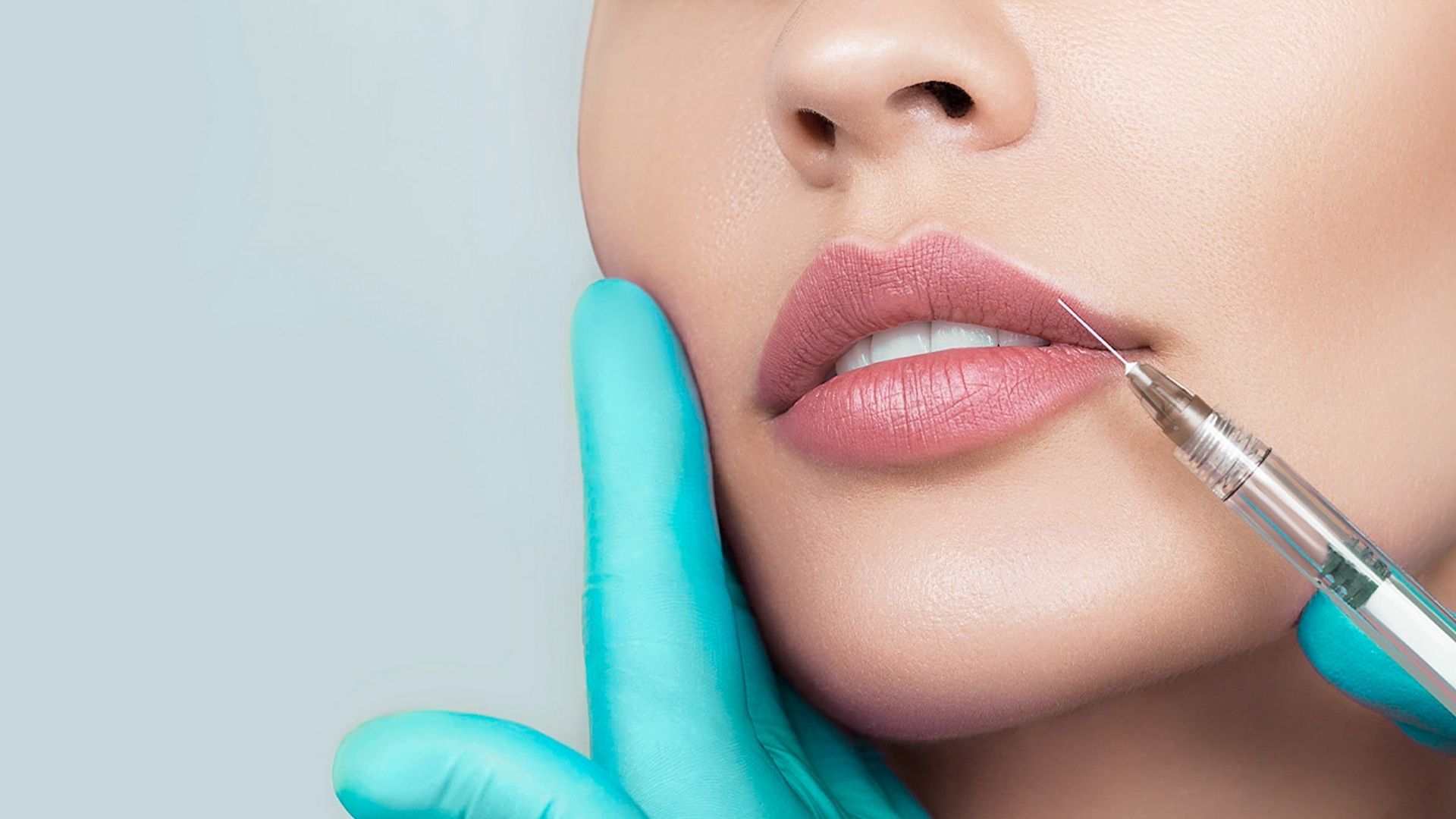 What Actually Causes the ‘Duck Lip’ Look?
Most people assume that duck lips happen because someone simply got “too much” filler. Volume is part of it but it is rarely the whole story. The real causes are more specific, and understanding them is the first step toward making a confident decision.
Too Much Filler Injected in a Single Session
When a provider overfills the lip in one appointment, the tissue cannot accommodate the volume naturally. Instead of lifting and defining, the lip is forced forward, creating that protruding, stiff appearance. The fix is always a conservative start, building results gradually over time rather than trying to achieve everything in one syringe.
Wrong Placement – Filler Pushed Forward Instead of Upward
Where filler is deposited inside the lip determines everything. Placement too close to the outer mucosal edge causes the lips to project forward rather than rotate upward. This single technical error is responsible for more duck lips than any other factor, and it is entirely avoidable with proper anatomical knowledge.
Ignoring the Vermilion Border and Natural Lip Structure
The vermilion border the crisp edge where your lip meets the surrounding skin, defines the shape of your entire lip. Over-filling directly along or above this border blurs the definition and creates a ledge-like, unnatural appearance. Skilled injectors work with this structure, not against it.
Prioritizing Trend Over Individual Facial Anatomy
Social media has created a visual echo chamber where one lip shape gets repeated endlessly, regardless of whether it suits the individual’s face. Providers who chase trends rather than respect each patient’s unique proportions consistently produce results that look overdone because they are treating a template, not a person.
The Anatomy of a Natural Result
Natural lip filler results share a set of anatomical principles that have nothing to do with personal taste and everything to do with how the human face is built.
The most recognized guideline in aesthetic medicine is the golden ratio of lips: the lower lip should be slightly fuller than the upper, typically in a 1:2 proportion. When this ratio is maintained, the face reads as balanced. When the upper lip is overfilled relative to the lower, the result immediately looks artificial.
Beyond volume, shape is determined by four key anatomical zones the cupid’s bow, the philtral columns running from the nose to the upper lip, the vermilion border, and the corner structure of the mouth. When filler is placed to enhance these landmarks in harmony, the results look intentional and proportionate. When they are ignored in favor of simply adding volume, the outcome competes with the rest of the face rather than complementing it.
Perhaps most importantly, natural lips move. They shift when you speak, smile, and laugh. Filler placed correctly integrates with lip tissue and maintains natural movement. Filler placed incorrectly creates stiffness, and stiffness is one of the most immediate visual signals that something is off.
The goal at Visage Sculpture has always been the same: your lips, only better. Not a new pair of lips. Yours.
The Right Fillers for Natural Lip Results
Not all lip fillers behave the same way inside lip tissue, and choosing the right product for the right patient makes a meaningful difference in how natural the outcome feels and looks.
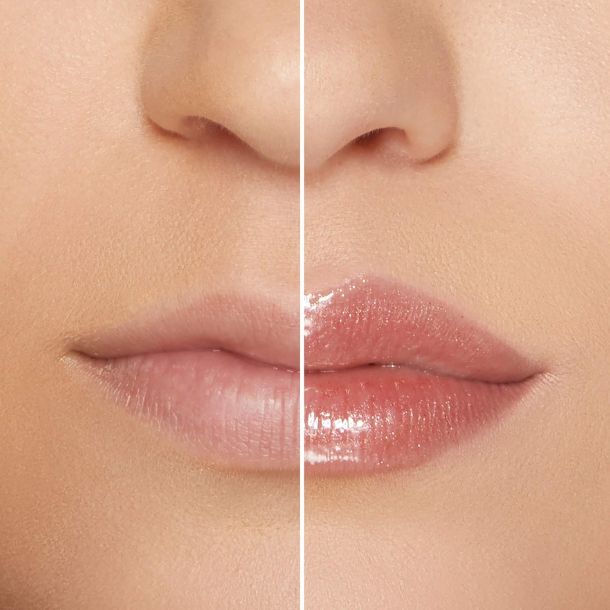 Restylane Kysse
Kysse is formulated specifically for lip movement. Its cross-linking technology allows it to flex with the lips rather than sit rigidly within them, which is why it delivers results that feel soft and authentic. It is particularly well-suited to patients who want subtle volume with enhanced color and definition.
Juvederm Volbella
Volbella is one of the softest hyaluronic acid fillers available. It integrates smoothly with lip tissue, adds gentle hydration alongside volume, and is ideal for patients seeking a barely-there enhancement or for refining the lip border without adding significant bulk.
Both products belong to the hyaluronic acid family, a substance your body already produces naturally. This matters not only because HA fillers feel more natural in the tissue but also because they carry a built-in safety net: if you dislike your results for any reason, a hyaluronidase enzyme can dissolve the filler completely within 24 to 48 hours. That reversibility removes a significant amount of the risk from the decision.
What matters more than product selection, however, is the injector holding the syringe. The best filler in the world placed incorrectly will not produce a natural result. The right technique with the right product will.
Technique Is Everything: What a Skilled Injector Actually Does Differently
Starting Conservatively
Every first-time lip treatment at Visage Sculpture begins with less filler than you might expect. This is intentional. Lips that are gradually built over one or two appointments look more natural than lips that receive maximum volume in a single session. It also gives both the patient and the injector a chance to evaluate results before committing to more.
Anatomy-First Assessment – Reading the Face in Motion
Before a single injection, I assess your lips at rest, while speaking, and while smiling. The way your lips move tells me far more than a static photograph ever could. It informs you where filler will sit naturally, where it will migrate, and what your lips actually need versus what a trend might suggest.
Treating Upper and Lower Lips in Proportion
One of the most common technical errors is overfilling the upper lip relative to the lower. Every filler decision at this clinic is made with the full face in mind. The upper and lower lip are always treated as a proportional pair, never in isolation.
 Respecting Individual Facial Structure
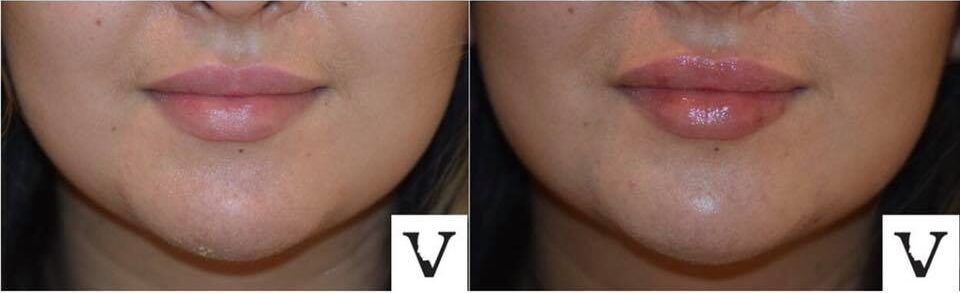
No two patients receive the same treatment plan here, because no two faces are the same. Your lip anatomy, the length of your philtrum, your natural resting proportions, and even how animated you are when you speak all factor into the approach. A one-size-fits-all syringe is how you get a one-size-fits-all result, which is to say, a result that fits no one particularly well.
Microdosing Over Single-Session Volume Loading
Rather than depositing large amounts of filler in a few broad strokes, precise micro-placement in targeted zones achieves better definition with less product. This approach reduces the risk of migration, maintains natural lip movement, and allows far more control over the final shape.
What to Expect at Your First Lip Filler Appointment at Visage Sculpture
Every appointment at this clinic begins with a conversation — not a treatment plan handed to you at the door. I want to understand what you are hoping to achieve, what concerns you most, and whether lip filler is actually the right recommendation for you at this stage. If it is not, I will tell you that before we discuss anything else.
Once we align on a realistic and appropriate goal, I assess your lip anatomy and design a placement approach specific to your face. Numbing cream is applied before the treatment begins, and the injections themselves take under twenty minutes. You will see results immediately, with any minor swelling typically resolving within a few days to reveal your final outcome.
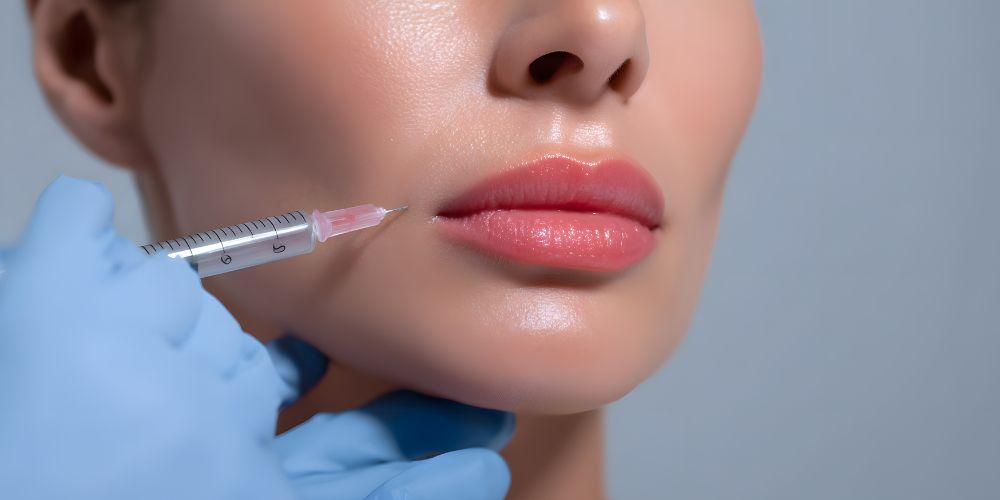 Every injection at Visage Sculpture is performed by me personally — not a rotating staff member, not a newly trained associate. If you book here, you see me. That consistency matters for results and for trust, particularly with something as technically demanding as lip augmentation.
Our clinic is located in Newton, MA, and serves patients from across Boston, Cambridge, Wellesley, Brookline, and the greater Massachusetts area. If you have been searching for natural lip fillers in Boston from a provider you can trust, this is what that looks like in practice.
Frequently Asked Questions About Natural Lip Fillers
How long do lip fillers last?
Most hyaluronic acid lip fillers last between six and twelve months, depending on the specific product used, your metabolism, and how much movement your lips experience daily. Patients who speak or perform frequently may metabolize the filler slightly faster. Touch-ups every six to nine months to maintain results without requiring full re-treatment.
Will lip fillers hurt?
Discomfort is minimal for most patients. Topical numbing cream is applied before treatment and takes effect within twenty to thirty minutes, leaving the lips largely insensitive during the procedure. Most patients describe the sensation as mild pressure rather than pain. Any tenderness afterward typically resolves within a day or two.
How do I know how much filler I need?
You do not need to arrive with a number in mind. During your consultation, I assess your lip anatomy, discuss your goals, and recommend a starting volume based on your individual structure — not a standard protocol. For most first-time patients, a conservative starting amount with the option to refine at a follow-up produces the most natural and satisfying result.
Can lip fillers be reversed if I don’t like the result?
Yes. Hyaluronic acid fillers can be dissolved with an enzyme called hyaluronidase, which breaks down the filler within 24 to 48 hours. This reversibility is one of the most important reasons to choose HA-based products over permanent alternatives, and it means that a result you are unhappy with is not a permanent situation.
How soon after treatment will I see my final result?
You will see an immediate change, but swelling in the first 24 to 72 hours can temporarily exaggerate the result. Final results are best assessed after one to two weeks, once all inflammation has resolved and the filler has fully integrated with the surrounding tissue.
Is swelling after lip filler normal and does it mean duck lips?
Swelling is a normal and expected part of the healing process and does not indicate a problem with placement or technique. The temporary fullness from swelling often causes patients to worry unnecessarily in the first few days. If after two weeks results still appear disproportionate, that is when an assessment by your injector is appropriate.
How do I choose the right lip filler injector in Boston?
Look for a licensed medical professional not an aesthetician or unlicensed practitioner, with specific, verifiable experience in lip augmentation. Review before-and-after photos that show results consistent with the natural look you want, not the most dramatic outcomes in their portfolio. Ask directly who performs the treatment, how many syringes they typically use for a first appointment, and what their approach is when a patient is unhappy with results.
Conclusion
Natural lip filler results are not lucky outcomes. They are the product of proper technique, honest consultation, anatomy-respecting placement, and a provider who measures success by how undetectable the work is not by how much product was used.
If you have been hesitating because of what you have seen online, I would rather have a real conversation with you first. Come in, tell me what you want, and let me tell you honestly what is possible and what makes sense in your face. That conversation costs nothing and changes everything.
Ready to find out what natural lip filler looks like for you? Book a consultation at Visage Sculpture in Newton, MA.
