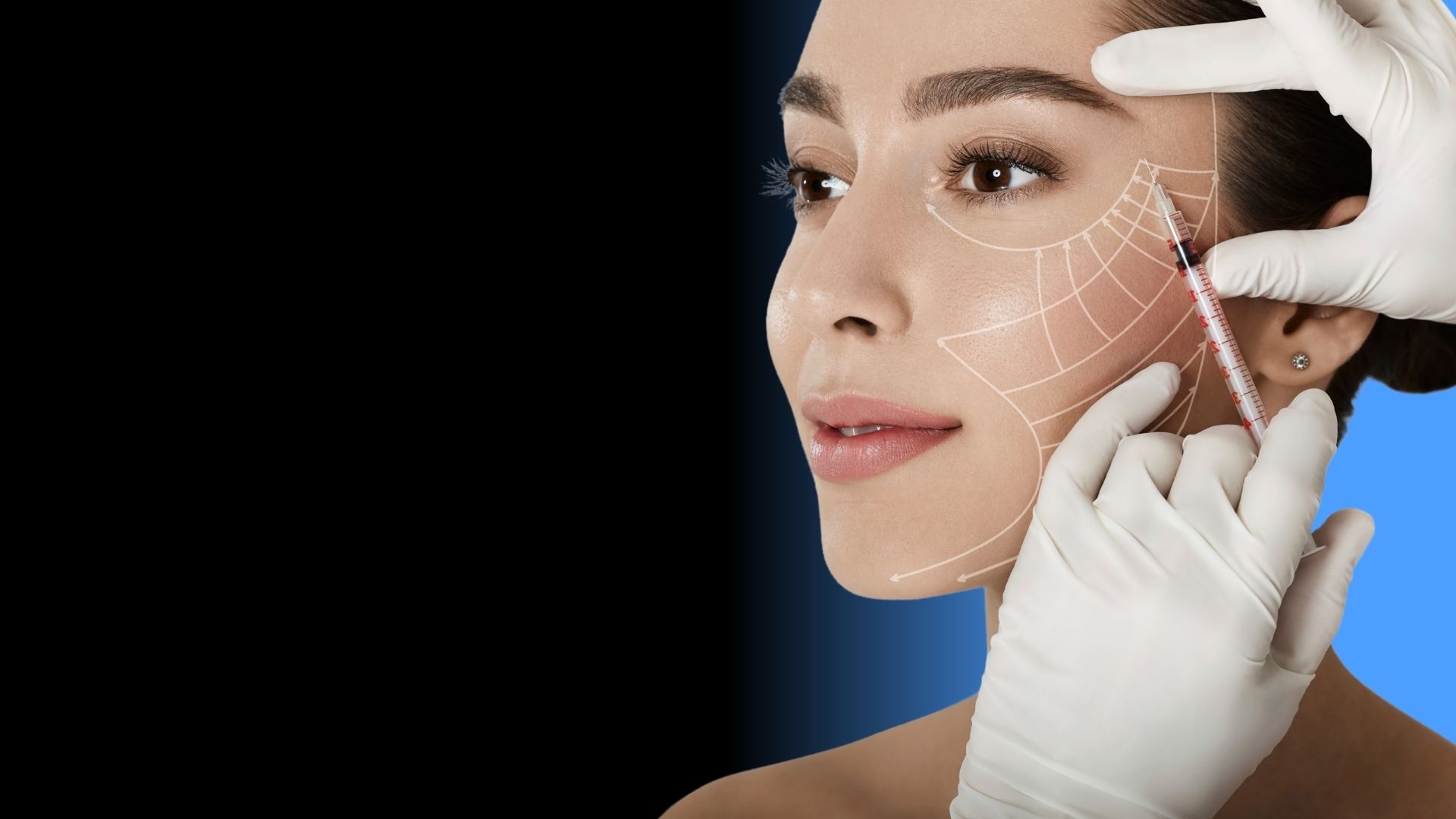

Bookings for cosmetic injectables in Boston continue to grow each year, especially in the Back Bay, Newbury Street, and the Seaport District. Someone preparing for a wedding near Fenway Park might book Botox Cosmetic four weeks ahead. Professionals heading to a corporate event at TD Garden often schedule dermal fillers beforehand. Aesthetic clinics such as “Visage Sculpture” in Back Bay see steady booking traffic for facial balancing, lip filler preparation, and skin refinement work. Injectables count as medical procedures, so the prep work before the appointment shapes the outcome as much as the treatment itself.
Boston patients researching safety before their first visit will get clear answers below on injector qualifications, screening steps, medication rules, event timing, and aftercare.
Why Safety Planning Truly Matters Today
Bookings have climbed quickly across Newbury Street, Beacon Hill, and the Seaport District over recent years. Filler and toxin products work below the skin, where they touch blood vessels, nerves, and facial muscles directly. Even short lunchtime visits need screening before any needle enters the face. Boston sits next to a heavy medical presence, with Massachusetts General Hospital and the Longwood corridor setting clinical expectations across the area.
Patients who treat injectables like a casual beauty errand often skip preparation, then regret the bruising or swelling that follows. Injectors trained around Harvard Medical School tend to discuss risks plainly, since honest conversation protects everyone involved.
Choosing Qualified Boston Cosmetic Injectable Providers
Qualified injectors across Boston fall into three groups. Board-certified dermatologists and plastic surgeons hold the deepest medical training. Licensed nurse injectors and physician assistants do most of the Botox and filler work around the city day-to-day.
Plenty of these providers studied under faculty tied to Harvard Medical School or Boston University, which raises the local clinical bar. Anyone searching for a licensed aesthetic provider should check state credentials before booking the first visit.
Patients Should Verify Their Credentials in Advance
Confirming credentials takes only a few minutes during early phone calls or quick website checks. Most reputable clinics list this information up front without anyone needing to ask.
Important Credentials to Verify Include:
- Active state medical or nursing license, searchable through the Massachusetts state records
- Training certificates from recognized injectable courses, often run by Allergan or Galderma
- Years of direct experience with specific products like Juvederm, Restylane, or Botox Cosmetic
- Before-and-after photo galleries showing consistent results on different face shapes
- Public injector biographies on the clinic website, including supervising physician details
Visage Sculpture, for instance, posts injector biographies on its Back Bay site, and several Newbury Street providers handle their websites the same way.
Red Flags Worth Watching During Research
Steep Botox discounts, fuzzy answers about product brands, and missing emergency protocols all count as warning signs. Patients should walk away from any clinic that pushes same-day decisions or refuses to name the product going into their face. Experienced injectors take questions in stride and never rush a booking decision.
Sharing Medical History Before Booking Injectables
Full medical disclosure protects patients from complications that good prep would have caught early. Providers typically ask about autoimmune conditions, pregnancy status, recent dental work, prior cosmetic procedures, and known allergies. Anyone with a cold sore history often needs antiviral medication before lip filler preparation.
Clinics around Massachusetts General Hospital and the Longwood Medical Area run strict intake screening, partly because their academic neighbors keep clinical expectations high. Disclosing fillers from another provider also helps, since stacking products like Juvederm and Restylane without a record can lead to lumps, uneven swelling, or migration over time.
Medication Rules And Skin Care Preparation
Injectors hand out a written prep list during the first consultation in most cases. Sticking to those instructions cuts down on bruising, swelling, and other post-treatment effects. Visage Sculpture, for example, includes a printed guide during early visits, and Cambridge and Seaport District clinics generally follow the same habit.
Standard pre-treatment instructions usually include:
-
Avoid blood-thinning medications such as aspirin and ibuprofen, plus supplements like fish oil, vitamin E, and ginkgo, for 7 to 10 days before treatment when cleared by a physician.
-
Pausing alcohol intake for 24 to 48 hours ahead of the appointment to reduce bruising risk.
-
Keeping skin hydrated with gentle cleansers while skipping strong retinol or acid products for several days.
-
Arriving with a clean face free from heavy makeup, sunscreen residue, or recent facial peels.
-
Eating a normal meal beforehand to prevent lightheadedness during the injection session.
Timing Cosmetic Treatments Around Boston Events
Careful scheduling keeps patients from showing up to important events with visible swelling or fresh bruises. Wedding parties near Fenway Park, charity galas around TD Garden, and corporate events inside Seaport District hotels all need advance planning. Anyone flying out of Logan International Airport for a destination wedding tends to book early, since cabin pressure can cause swelling.
Most providers suggest a two to three week buffer for dermal fillers and one to two weeks for Botox Cosmetic. Lip filler preparation usually needs the longest runway, since the lips swell easily and stay puffy longer than other areas of the face.
Questions Patients Should Always Ask Providers
Strong consultations start when patients walk in with a short list of safety questions ready. Solid providers welcome each one openly and never rush through them. Visage Sculpture, like other careful Back Bay practices, actively encourages new clients to ask whatever they want before treatment day.
Patients should bring questions like:
- Which exact product brand will be used during the session, such as Botox Cosmetic, Juvederm, Restylane, or Dysport, and is it FDA-approved?
- How many years of hands-on experience does the injector hold with this specific treatment area?
- What plan does the clinic follow if a vascular complication or allergic reaction occurs?
- Is hyaluronidase kept on-site for filler reversal if results need quick correction?
- What does follow-up look like, and does the quoted price include a touch-up appointment?
Inside Boston’s Cosmetic Injectable Consultation Process
Most consultations start with intake forms covering medical history, allergies, and current medications. Providers take clinical photographs from several angles to map facial balancing goals on the spot. Honest talks about expectations help both sides agree on outcomes before treatment starts. Clients across Back Bay and Newbury Street clinics often plan their results across several sessions, since gradual work spaced months apart looks more natural than one heavy appointment.
Setting Realistic Treatment Expectations With Clarity
Good injectors steer clients toward outcomes that match their face shape and personal goals. Subtle refinement looks very different from full facial reshaping, and honest providers point that out early. Boston injectors with strong reputations turn down treatments that seem unsafe or exaggerated, even when clients push back. Realistic expectations also include what injectables cannot fix, like deep skin sagging that usually needs surgical care or energy-based tightening devices.
Understanding Risks, Bruising And Recovery Timelines
Most patients deal with mild swelling, tenderness, and a few small bruises after injectable treatment. Tiny lumps sometimes form under filler injection points and usually settle within a few days.
Common post-treatment effects include:
- Mild swelling at injection sites, peaking around 24 to 48 hours after the appointment.
- Small bruises that fade within 5 to 10 days, often quicker with arnica cream.
- Tenderness or pressure sensitivity that resolves within a few days.
- Minor lumps under filler, which soften with gentle massage when the injector approves
- Slight redness at needle entry points, usually gone within hours.
Vascular occlusion, where filler accidentally blocks a blood vessel, sits at the rare but serious end of the risk list. That single concern explains why injector training matters so much. Boston professionals usually head back to work in Kendall Square or the Financial District the same afternoon, while heavier treatments might call for a full evening of icing and rest.
Boston Lifestyle Affects Cosmetic Treatment Planning
Boston’s daily rhythm affects how patients prep for cosmetic injectables. Commuters using Storrow Drive or the Massachusetts Turnpike often book appointments around traffic patterns and parking access near the clinic. Frequent flyers passing through Logan International Airport prefer treatments timed well before or after long-haul trips, since cabin pressure can worsen swelling.
Students at Boston University usually plan visits outside heavy exam weeks, since stress raises inflammation and slows healing. Hydration also plays a role, because cold dry winters and humid summers both pull moisture from skin tissue. Drinking water consistently during the days before treatment supports skin health and cuts down on post-treatment swelling.
Choosing Trusted Boston Aesthetic Injectable Clinics
Going through verified reviews helps narrow down trustworthy clinics across Back Bay, Beacon Hill, and the Seaport District. Clean hygiene records, transparent pricing, and published injector biographies usually mark a serious practice. Visage Sculpture offers one Boston example, with provider credentials, treatment menus, and before-and-after galleries all visible on the website.
Patients should compare a handful of clinics before settling on one, since pricing, product range, and consultation depth shift quite a bit across the city. Checking patient feedback on Google, RealSelf, and similar platforms helps confirm whether a clinic delivers consistent outcomes across different face types and ages.
Final Safety Preparation And Closing Thoughts
Pre-treatment safety planning shapes the final result almost as much as injector skill does. Patients who check credentials, share full medical history, follow medication rules, and time their visit around major events tend to walk away happier with their outcomes. Boston holds strong aesthetic talent across Back Bay, Cambridge, and the Seaport District, with Visage Sculpture sitting among the practices working in that space.
Injectables fall inside the medical category at the end of the day, which makes thoughtful prep worth every minute of effort. Patients who do the homework arrive at their cosmetic injectables appointment in Boston steady, informed, and prepared.